Executive Summary
DarkMatter Market Link represents a significant subject of study regarding digital infrastructure on the tor network. Operating entirely as a hidden service, the platform specializes in the exchange of digital goods, cryptographic assets, and privacy-centric services.
Since its genesis, the platform has maintained a strict adherence to operational security protocols, forcing interactions through robust cryptographic layers. Our independent research group documents the architectural choices, routing methods, and deployment strategies of this particular environment.
Historical Timeline
Technical Architecture
Transactions rely on asynchronous cryptographic escrow. Multi-signature capabilities divide consensus, requiring multi-party authorization before fund finalization, heavily reducing centralized risk.
RSA-4096 standards are enforced for all internal communication. The platform restricts raw text messaging, requiring asymmetric encryption for structural integrity and metadata protection.
Direct-pay capabilities enable users to interact without harboring centralized balances. Funding occurs dynamically per transaction ID, minimizing exposure of liquid assets on the main server.
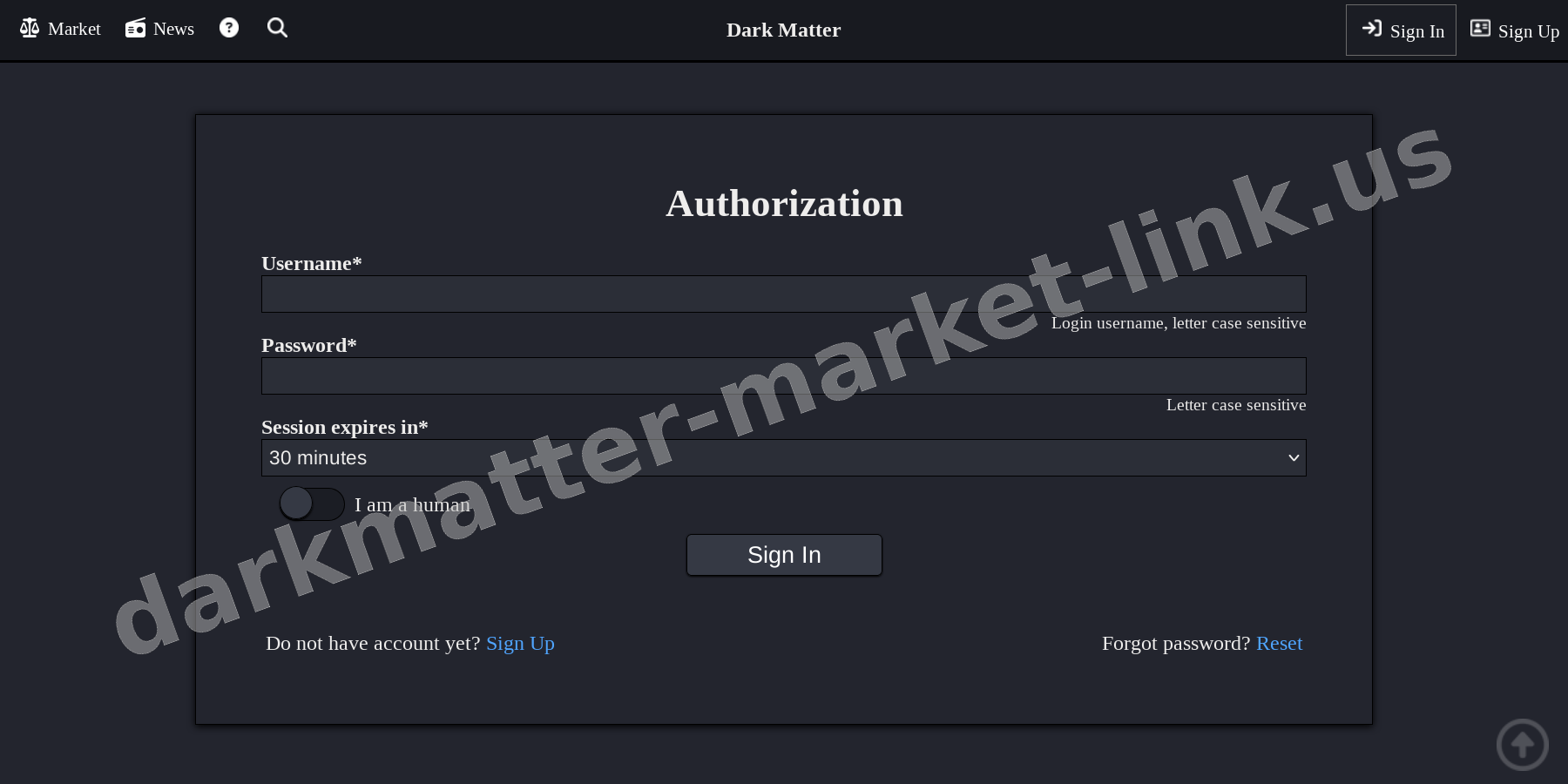
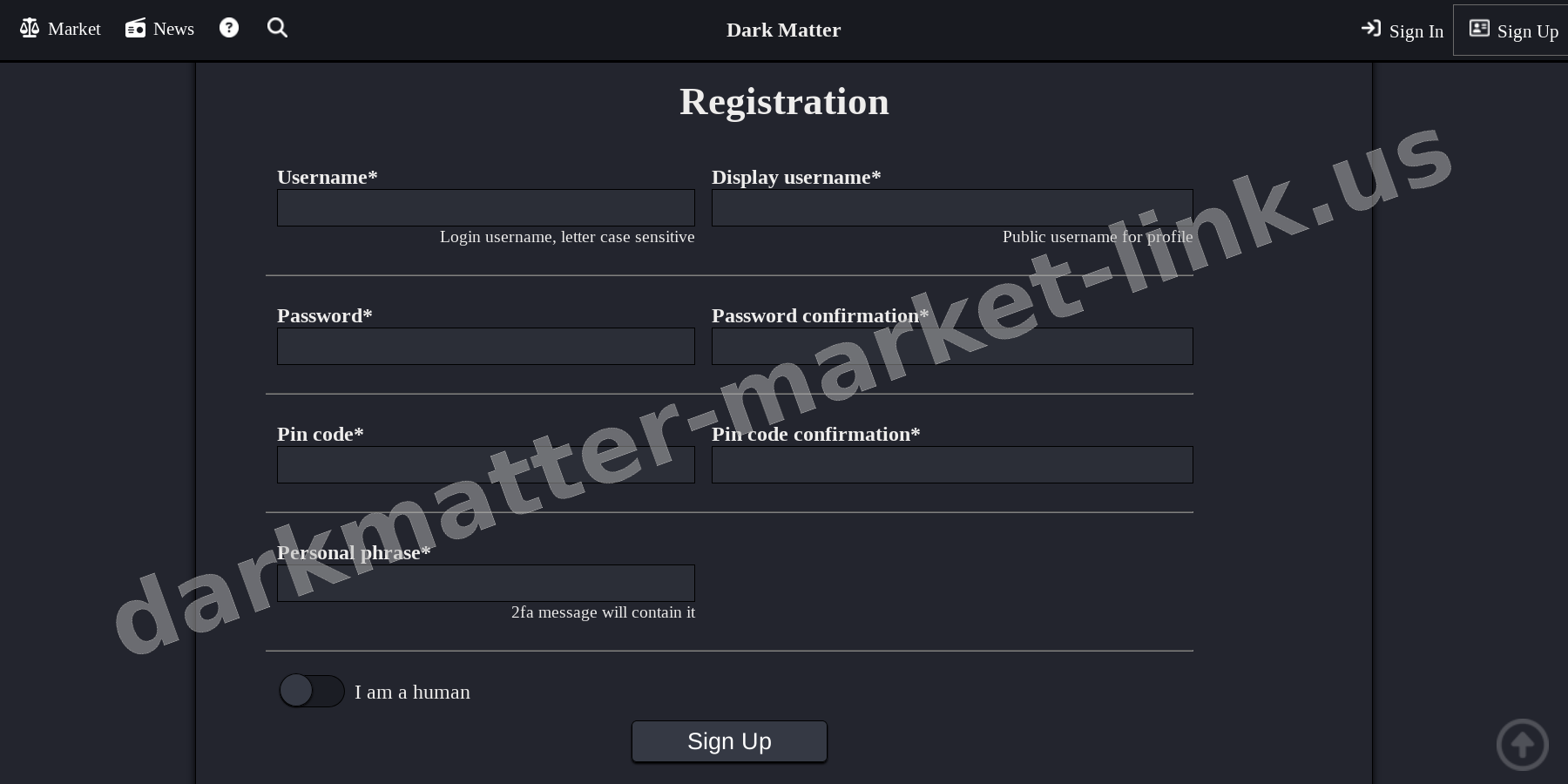
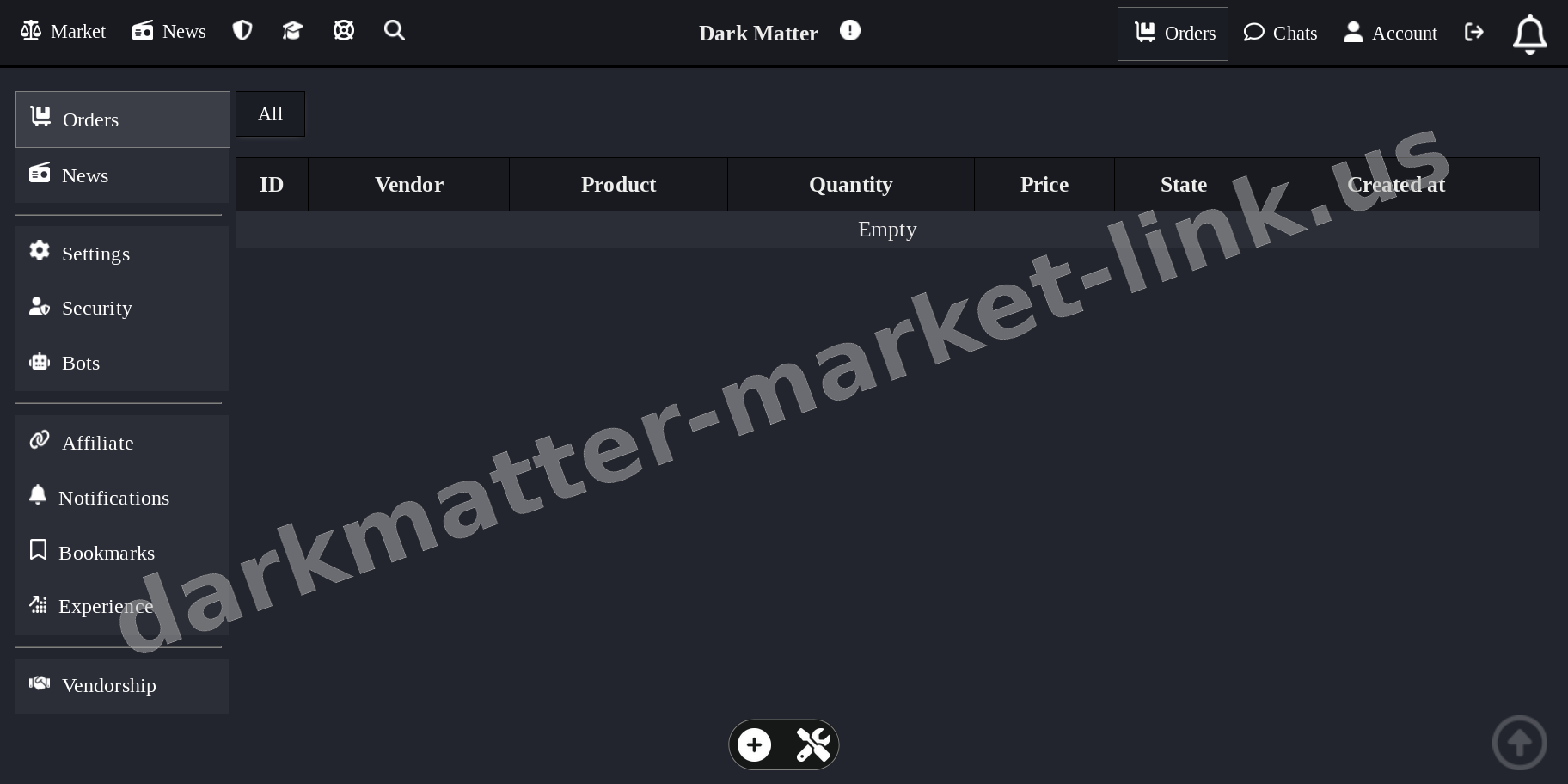
Platform Interface Preview
Community & Statistics
Network Capacity Validation
Analytical indexing suggests the platform processes significant volume, operating multiple redundant databases simultaneously to balance the load of active cryptographic requests.
Merchant Verification Standards
Suppliers intending to distribute digital goods must pass a rigorous verification matrix. This typically involves placing a non-refundable cryptographic bond, alongside presenting long-term PGP credentials cross-referenced against historical databases. Observers note this creates a high barrier to entry, specifically tailored to limit low-effort network degradation.
The general reputation engine functions on a blind-rating system, preventing rating manipulation through linked transaction parsing.